The best areas to buy property in Christ Church, Barbados are Dover (family-friendly beachfront, townhouses from ~US $475,000), St Lawrence Gap (highest short-term rental yields at 7–10% gross), Hastings (established residential, closest to Bridgetown), Rockley (golf community and expatriate hub with double-digit recent price growth), Worthing and Maxwell (emerging beachfront value with one-bedroom units from ~US $309,000), and Oistins (long-term rental play anchored by the island’s most famous fish market). Christ Church accounts for roughly a third of all property transactions in Barbados, making it the island’s most active market by volume.
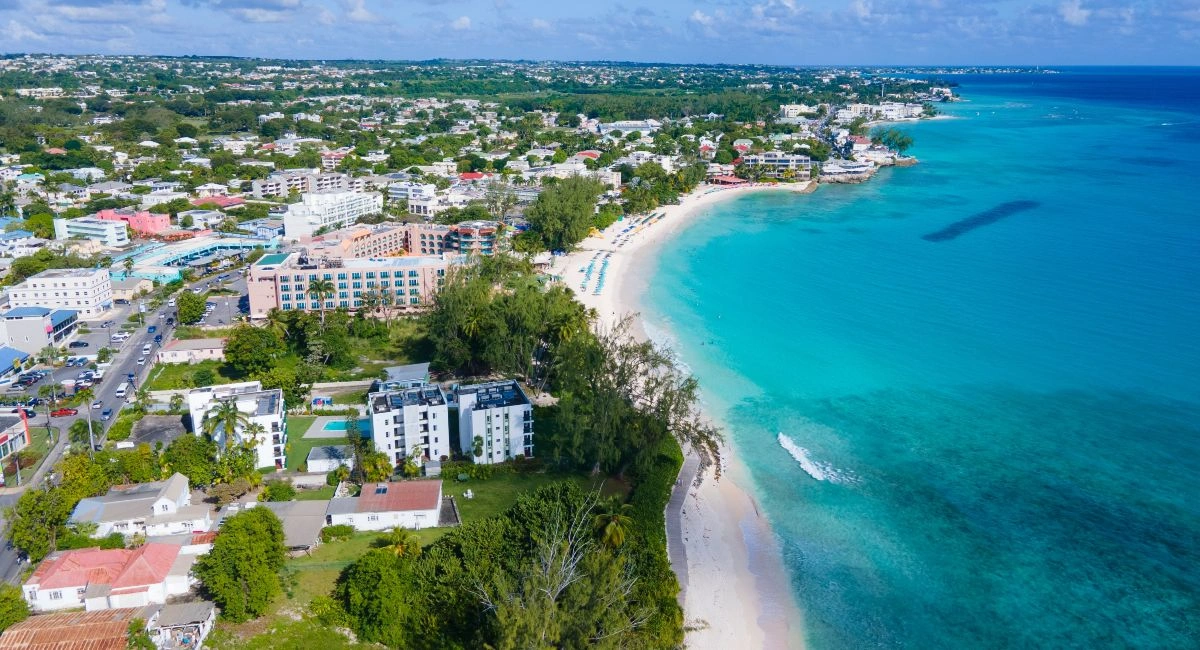
The parish runs along the south coast, from the outskirts of Bridgetown eastward past the airport, and it packs more variety into that stretch than buyers usually expect. A beachfront condo in Hastings feels nothing like a townhouse behind Dover Beach, and neither resembles the local-market energy around Oistins. This guide breaks the parish down neighbourhood by neighbourhood so you can match what you’re looking for to the part of Christ Church that delivers it.
Note: this piece sits alongside our existing comparison of the West Coast and South Coast. If you’re still deciding between coasts, start there. This guide assumes you’ve already zeroed in on the south — and now you want to know which part.
Christ Church at a Glance
The parish’s practical advantages are hard to argue with. Grantley Adams International Airport sits in Christ Church, which means arriving visitors — and arriving rental guests — are on your doorstep rather than an hour’s drive away. Bridgetown and its commercial centre are a short ride west. The south-coast highway (Highway 7) connects every neighbourhood covered here in a continuous strip, with supermarkets (Massy Stores, TriMart), medical clinics, banks, hardware stores, and schools along the route.
Compared to the west coast’s Platinum Coast corridor, Christ Church trades manicured exclusivity for accessibility and energy. Property prices are materially lower — south-coast condominiums currently start around US $300,000 for a one-bedroom, whilst comparable west-coast stock routinely begins north of US $1.5–2 million. Rental yields tend to run higher: short-term lets in Christ Church neighbourhoods commonly return 6–8% net, against 3–5% on the west coast. The trade-off is a busier, more tourist-facing environment, which is either a selling point or a drawback depending on what you’re buying for.
Foreign ownership is straightforward. The process requires Central Bank of Barbados exchange-control approval (a routine administrative step for most nationalities), legal fees of 1.5–2% of the purchase price plus VAT, a property transfer tax and stamp duty paid by the seller (not the buyer), and no capital gains tax. Completion typically takes eight to twelve weeks from accepted offer, though complex transactions may run longer.
Dover
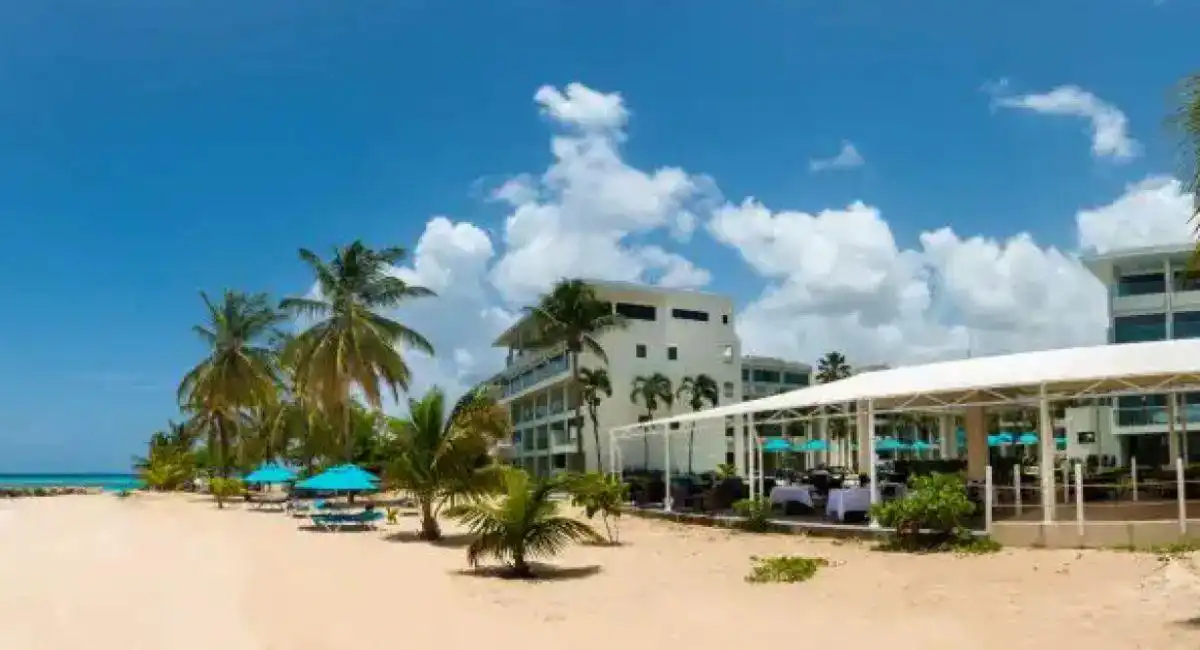
Dover sits at the heart of the south coast’s beachfront strip, anchored by Dover Beach — one of the island’s most popular stretches of sand for swimming, bodyboarding, and water sports. The neighbourhood has a family-residential character that distinguishes it from the entertainment-heavy areas on either side. Walk a few blocks inland and you’re in a quiet residential grid with local shops, a primary school, and none of the late-night noise that defines the Gap.
For buyers, Dover works well as a primary or vacation home. It’s walkable to the beach without being on a main nightlife drag, and the mix of townhouses and apartment complexes keeps the neighbourhood accessible. Current inventory includes four-bedroom townhouses from around US $475,000 and one-bedroom units at developments like O2 Beach Club & Spa from approximately US $425,000, whilst larger beachfront duplexes (such as St Lawrence Beach Condos) trade upward of US $680,000. In our experience, families and couples looking for a base they’ll actually use, rather than a pure rental play, tend to land here.
Rental potential is solid but not exceptional. Dover’s proximity to the beach drives consistent demand from vacationers, but it lacks the critical mass of restaurants and bars that generate walk-in bookings the way the Gap does. Net yields typically fall in the 5–7% range. Properties here tend to attract longer stays from guests who want a quieter south-coast base.
St Lawrence Gap
The Gap is the south coast’s commercial and entertainment engine. A roughly 1.5-kilometre strip of road lined with restaurants, bars, and nightlife venues, it draws the largest concentration of tourists outside Bridgetown. Cafe Sol, Primo Bar and Bistro, and a rotating cast of beach bars keep the strip busy most nights, and the Friday-night energy bleeds into weekends that can feel like a perpetual festival.
That animation is what makes the Gap attractive to short-term rental investors. Studios, one-bedroom apartments, and small townhouses within walking distance of the strip see some of the highest occupancy rates on the island — 75–85% annually for well-managed listings. Gross yields in the 7–10% range are achievable for well-positioned units, driven by guests who want to be in the thick of the action without paying hotel rates. Current south-coast listings near the Gap start from the mid-US $400,000s for one-bedroom resort-style units, with larger properties trading significantly higher.
The flip side is obvious. The Gap is loud. It’s busy. And it’s not where you’d buy a primary home unless you have a high tolerance for bass at midnight. We’ve talked with investors who underestimated the noise factor and shifted to longer lets within a year — worth factoring in before you commit to the short-term rental model here. Investors should also note that short-term rental regulation in Barbados is evolving — the Barbados Tourism Product Authority (BTPA) requires registration for vacation rental properties, and staying current on licensing requirements matters here more than in quieter areas.
Hastings
Hastings sits between Bridgetown and the busier south-coast strip, and it reads as the most established, most residential part of Christ Church’s coastline. The neighbourhood has a settled, slightly mature feel: coral-stone walls, established gardens, and a beachfront boardwalk that runs from Hastings Rocks towards Rockley. The boardwalk alone is a significant amenity — it’s one of the few stretches on the island where you can walk the waterfront continuously for over a kilometre.
Property here skews towards condominiums and apartment buildings, many of which have been around long enough to offer sea views at prices below what newer developments command. First- and second-line condos with shared pools and beach access represent the bulk of the market. A two-bedroom sea-view condo in Hastings typically trades in the US $300,000–450,000 range, though premium beachfront units with direct ocean frontage still command significantly more.
Hastings appeals to a buyer who wants proximity to Bridgetown — it’s a 10-minute drive or a pleasant boardwalk walk — without the tourist density further east. The buyers we work with who choose Hastings tend to prioritise walkability and day-to-day livability over rental income — and the seasonal and medium-term rentals that perform well here suit that profile. Buzo and Tapas anchor the dining scene along the boardwalk — good food, no nightclub next door.
Rockley
Rockley’s draw is specific: Accra Beach (also called Rockley Beach), one of the most photographed and most swimmable beaches on the south coast, and the Rockley Golf & Country Club, which gives the area an identity distinct from the rest of Christ Church. The golf community attracts a particular type of buyer — expatriates, Welcome Stamp visa holders, and retirees who want a lifestyle anchor beyond the beach.
The property market here splits into two tiers. Beachfront and near-beach apartments and condos trade at a premium, with two-bedroom units at developments like Rockley Residences (within the golf club grounds) currently listing from around US $440,000–500,000. Further inland, the residential streets are more modestly priced and appeal to buyers looking for a permanent or semi-permanent base rather than a rental investment.
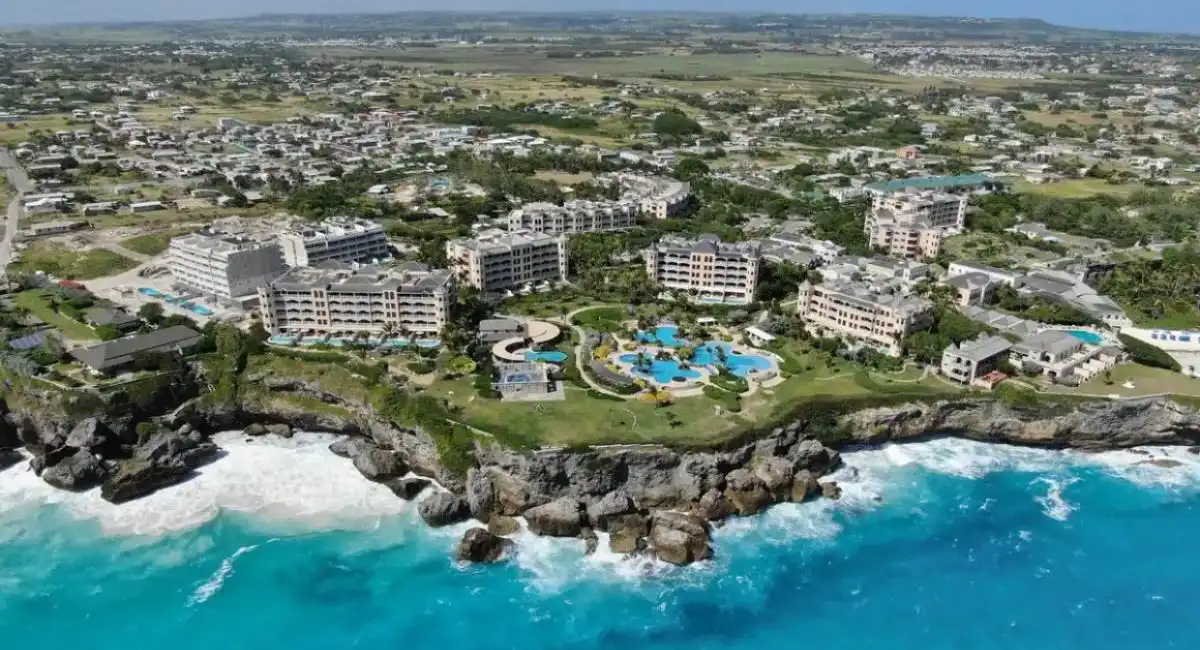
Rockley has seen double-digit price appreciation in recent years, partly driven by new development activity and partly by the Barbados Welcome Stamp programme bringing longer-stay residents who want a neighbourhood that functions year-round. It’s one of the few south-coast areas where the resident-to-tourist ratio tilts towards residents, which keeps the community feel intact even in peak season. Rental yields for golf-community properties typically run 5–7% net, with strong demand from the 30–90 day rental segment.
Worthing and Maxwell
These two neighbourhoods sit between Dover and Oistins and are often grouped together in market commentary. Both are emerging — newer development projects are replacing older housing stock, and the arrival of modern beachfront apartments has started to shift the area’s profile upmarket.
For buyers, the value proposition is straightforward: beachfront or near-beach property at prices that undercut Dover and the Gap, in an area that’s improving rather than fully arrived. Worthing’s stretch of coast is quieter than its neighbours, and Maxwell Beach is a sheltered bay with turquoise water and calm swimming conditions, though it sees less foot traffic than Accra or Dover Beach. Entry-level one-bedroom units in newer developments like The Sands (Worthing) currently start from around US $309,000, with larger beachfront properties such as Ocean Reef and Ocean One trading well above US $1 million.
The risk is the usual one with emerging areas: you’re buying the trajectory, not the current state. Amenities are thinner, walkability is limited compared to the Gap or Hastings, and short-term rental demand is building rather than established. We’ve watched this area closely over the past few years, and the new-build pipeline is accelerating — but it’s still early. For buyers with a 5–10 year horizon who are comfortable with a neighbourhood that’s still finding its identity, Worthing and Maxwell offer the strongest entry pricing on the south coast with meaningful upside as the area matures.
Oistins
Oistins is the south coast’s working fishing town — famous island-wide for the Friday Fish Fry, where locals and visitors crowd the waterfront market for fried flying fish, grilled mahi-mahi, macaroni pie, and Banks beer. The atmosphere is unfiltered Barbados: loud, colourful, and rooted in a fishing-village identity that dates back to at least the seventeenth century.
The property market here is among the most varied in Christ Church. Current listings in the Oistins area include beachfront two-bedroom apartments from around US $675,000, though the broader parish offers lower entry points — new-build two-bedroom homes at developments like Atlantic Breeze (Chancery Lane) start from approximately US $171,000, representing the most affordable Christ Church inventory currently available. The buyer profile tilts towards long-term rental income rather than short-term vacation lets. Tenants tend to be locals, longer-stay visitors, or remote workers who want neighbourhood authenticity over resort polish. Net yields of 5–6% on long-term lets are typical.
Oistins won’t suit every buyer. The infrastructure is older, the aesthetic is working-town rather than resort, and short-term rental demand doesn’t match what you’d find in the Gap or Dover. We’ve seen buyers overlook Oistins entirely and circle back once they run the yield numbers against the entry price — the maths tends to win people over. For an investor comfortable with a value play — reliable rental income driven by affordability and genuine local character — it’s worth a serious look. The Fish Fry itself draws consistent foot traffic year-round, and the government’s investment in the Oistins fishing complex signals a long-term commitment to the area’s infrastructure.
Matching a Neighbourhood to What You’re Buying For
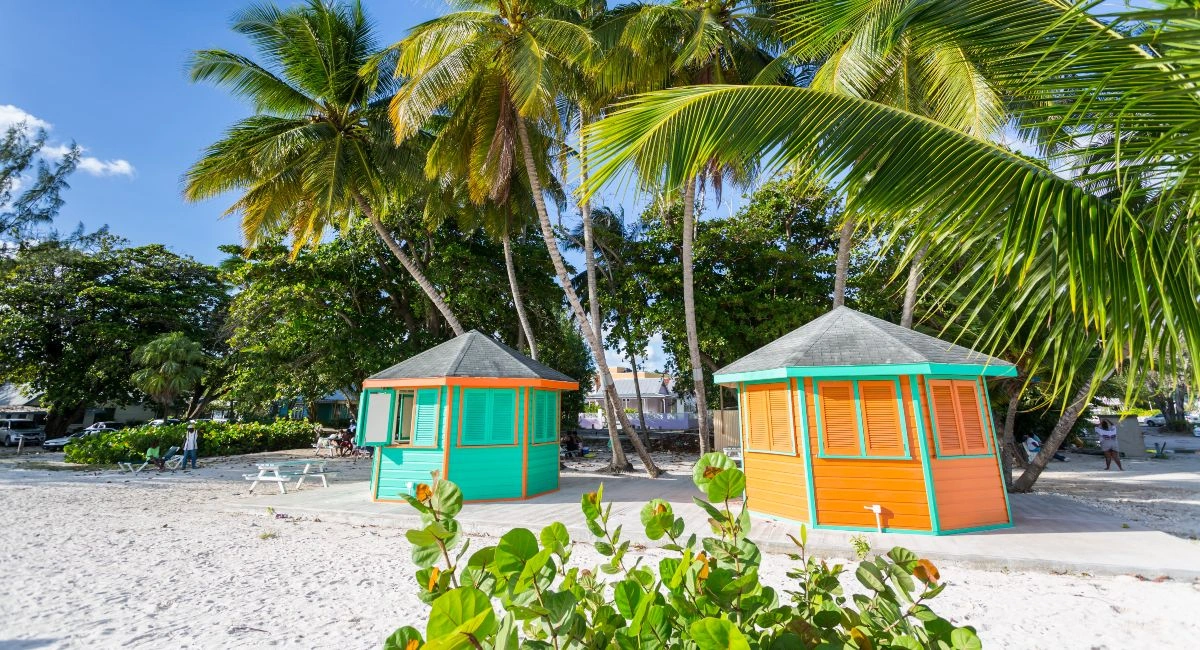
The decision comes down to what you want the property to do. If it’s a vacation home you’ll use yourself, Dover and Hastings offer the best balance of beach access, quiet, and everyday livability. If it’s a short-term rental investment, the Gap’s occupancy rates and yields are hard to beat. Rockley suits buyers who want a lifestyle community with golf and a year-round residential feel — and it’s the area showing the strongest recent price appreciation. Worthing and Maxwell offer emerging beachfront value for buyers with a medium-term horizon. And Oistins — along with newer inland developments like Atlantic Breeze — is the long-term rental pick for buyers who prioritise yield and affordability over aesthetics.
Whatever the neighbourhood, our team at Residence Barbados can walk you through the specifics and arrange viewings across any of these areas — browse our property listings or get in touch to start the conversation.
About This Guide
This guide was researched and written by the Residence Barbados editorial team. Our information draws on Terra Caribbean annual market reports, Central Bank of Barbados exchange-control documentation, Barbados Tourism Product Authority licensing requirements, Barbados Land Registry transaction data, and our team’s ongoing work with south-coast property buyers and vacation-rental investors. We have no commercial relationship with the restaurants, venues, golf clubs, or supermarkets mentioned.
Frequently Asked Questions
What are the best areas to buy property in Christ Church, Barbados?
The six main neighbourhoods for property buyers in Christ Church are Dover (family-friendly beachfront, townhouses from ~US $475,000), St Lawrence Gap (highest short-term rental yields at 7–10% gross), Hastings (established residential, closest to Bridgetown, condos from ~US $300,000), Rockley (golf community and expatriate hub, two-beds from ~US $440,000), Worthing and Maxwell (emerging beachfront value, one-beds from ~US $309,000), and Oistins and surrounding areas (long-term rental play, with new-build homes from ~US $171,000 at inland developments). The best area depends on whether you’re buying for personal use, short-term rental income, or long-term investment.
How much does property cost in Christ Church?
South-coast one-bedroom condominiums currently start around US $309,000 in Worthing (The Sands), with townhouses from approximately US $475,000 in Dover. Two-bedroom units at Rockley Residences begin around US $440,000, and beachfront properties trade significantly higher. The most affordable Christ Church entry point is new-build homes at Atlantic Breeze (Chancery Lane) from approximately US $171,000. All prices sit significantly below comparable west-coast stock, which typically starts above US $1.5 million for a two-bedroom.
Can foreigners buy property in Christ Church?
Yes. Foreign buyers require Central Bank of Barbados exchange-control approval, which is treated as a routine administrative step for most nationalities. Legal fees run 1.5–2% of the purchase price plus VAT, the property transfer tax (2.5%) and stamp duty (1%) are paid by the seller, there is no capital gains tax, and the process typically takes eight to twelve weeks from accepted offer to completion. The Barbados Welcome Stamp programme also allows remote workers to live on the island for up to 12 months, which many buyers use as a trial period before purchasing.
What rental yields can I expect in Christ Church?
Short-term vacation rentals in well-positioned Christ Church properties commonly return 6–8% net, with gross yields in high-demand areas like St Lawrence Gap potentially reaching 7–10%. Long-term rentals typically yield 4–6% net. Rockley golf-community properties average 5–7% net with strong demand from the 30–90 day rental segment. Yields vary by neighbourhood, property condition, management quality, and listing-platform performance.
Is Christ Church better than the West Coast for property investment?
Christ Church offers lower entry prices, higher rental yields, and proximity to the airport — making it the stronger choice for yield-focused investors. The west coast offers higher capital appreciation potential, more prestigious addresses, and a quieter residential feel — better suited to lifestyle buyers and ultra-high-net-worth purchasers. Christ Church accounts for roughly a third of all property transactions in Barbados, making it the island’s most liquid market.
© 2026 Residence Barbados. This content is provided for general informational purposes only and does not constitute legal, financial, or tax advice. Property laws, tax rates, fees and exemptions in Barbados may change. Always consult a qualified Barbadian attorney and independent financial advisor before making any property purchase or investment decision.