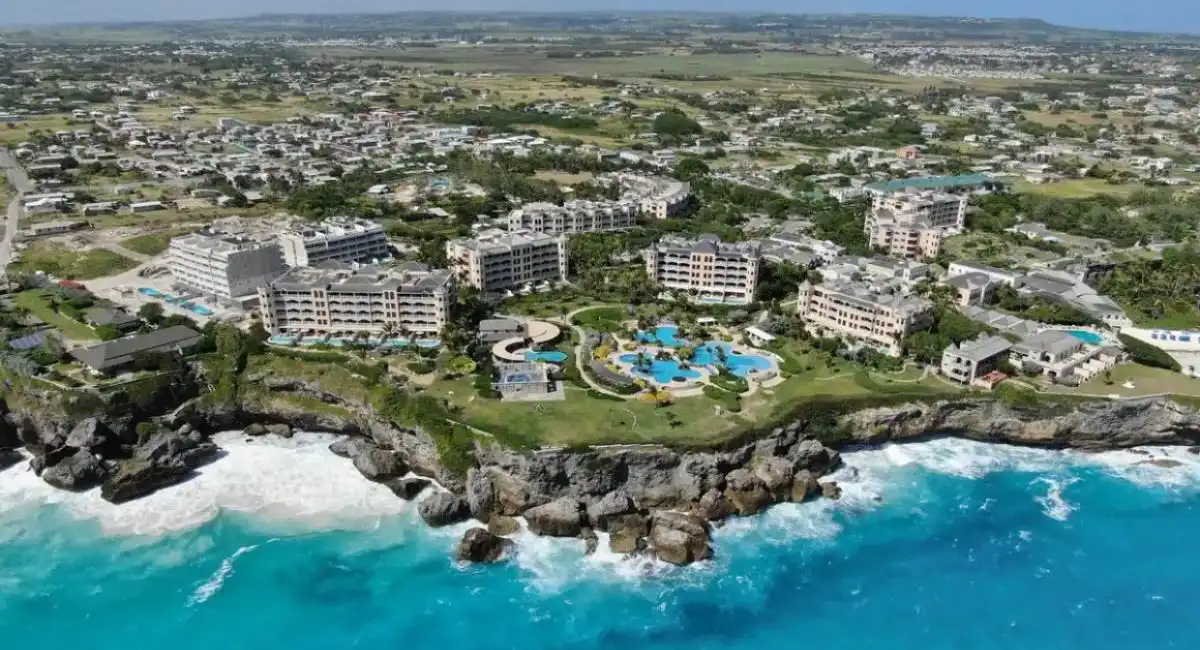
Why Investors Look at Royal Westmoreland in the First Place
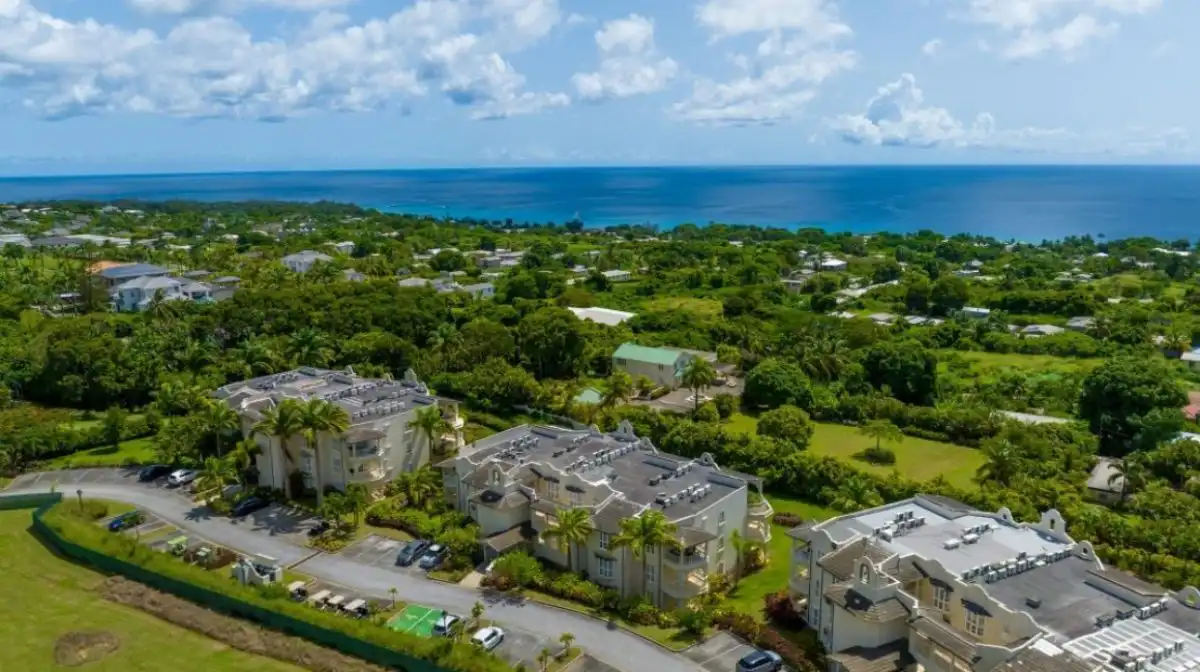 Three things keep Royal Westmoreland on most luxury-Caribbean shortlists:
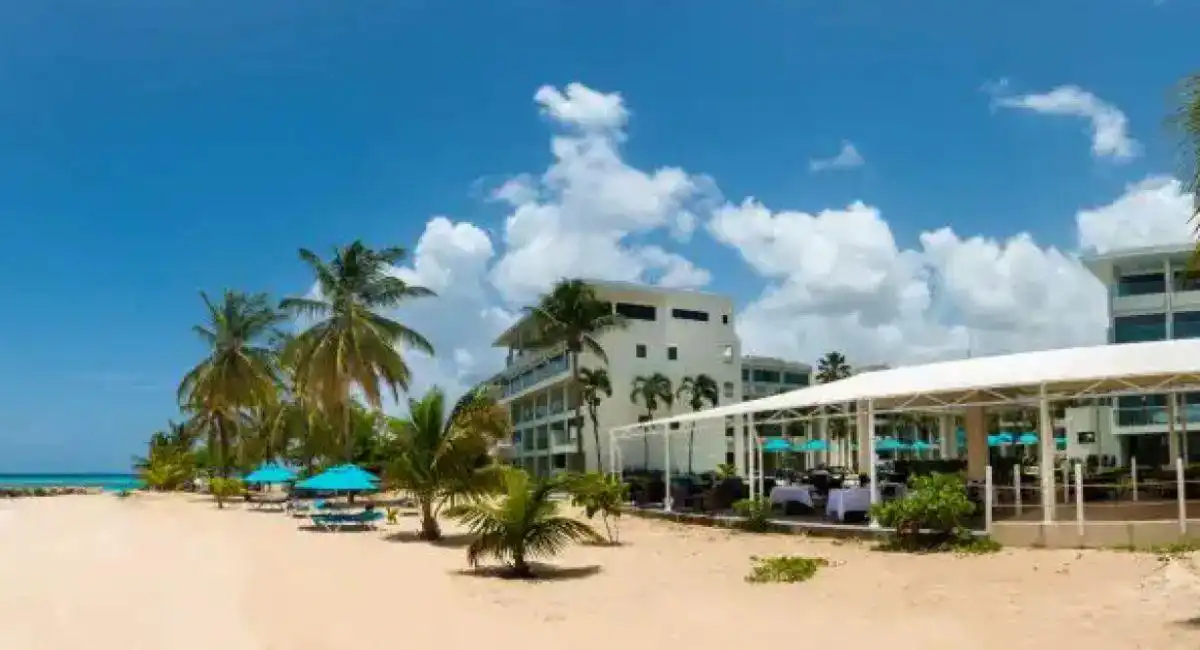
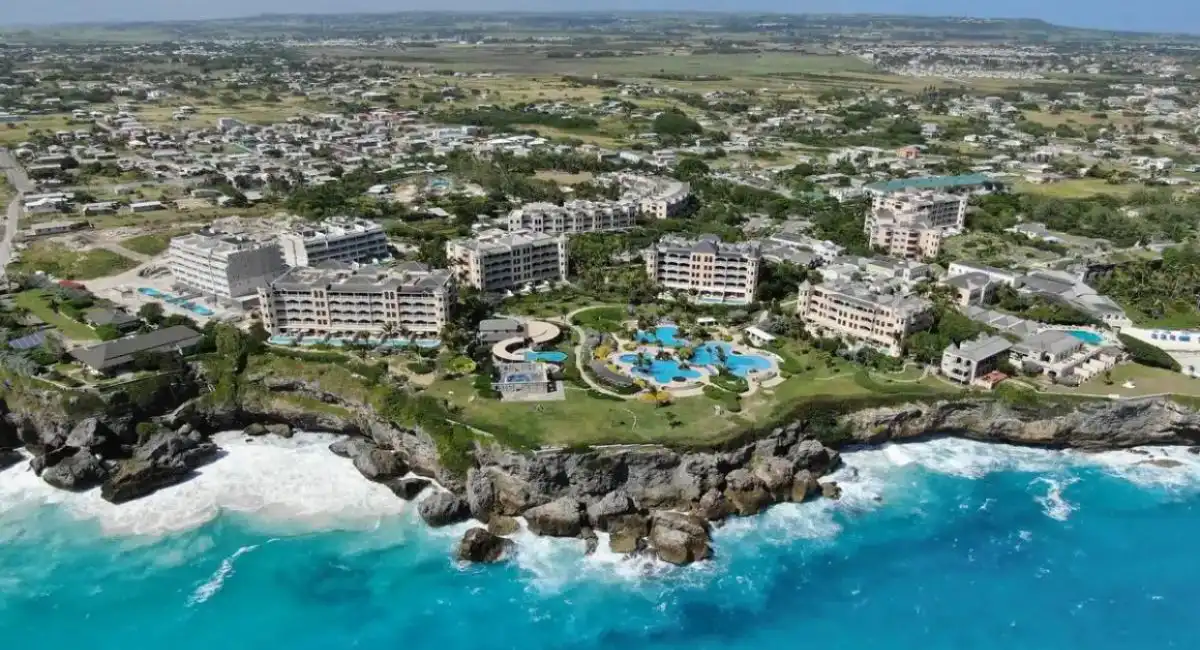
 - A genuinely scarce product. A 750-acre gated estate with a Robert Trent Jones Jr course, a private beach club at Mullins, and Platinum Coast positioning is not something the Caribbean produces twice. The supply ceiling matters for resale value.
- A globalised buyer pool. Most ownership is European and North American, with strong UK, Canadian, and US representation. That means the rental and resale demand curve is not single-market.
- Friction-free foreign ownership. Barbados imposes no restrictions on foreign ownership of property, no special licences, and transactions can complete in as little as 8–12 weeks once a buyer is funded and represented.
Gross Rental Yields: What "Up to 8%" Actually Means
Industry-quoted gross rental yields for prime, professionally managed Barbados luxury rentals sit in the 6–8% range, with the upper end attainable on well-priced, well-located properties with the right operator. Royal Westmoreland sits at the upper end of that distribution because of three structural advantages:- Year-round demand. Christmas, New Year, the Sandy Lane Gold Cup in early March, the Easter holiday window, summer, and Crop Over (early August) are all genuine high-rate weeks. Many comparison Caribbean properties have only one or two strong seasons.
- Premium nightly rates. Three- and four-bedroom villas inside the gates routinely rent at multiples of comparable off-estate properties, particularly in the December-to-March window.
- Repeat demand. A meaningful share of Royal Westmoreland's rental nights are repeat guests — golfers, multi-generational families, and corporate-rotating tenants — which lowers vacancy risk.
Net Yield: Where Most ROI Pitches Quietly Disappear
The 6–8% gross figure becomes a much more sober number once costs are properly modelled. The line items that matter:- Property management fees. Full-service management at Royal Westmoreland typically runs 18–25% of gross rental income — higher than US municipal markets but appropriate for the level of guest service required at this price point.
- Estate and Club fees. Annual estate maintenance, communal area contributions, and Club membership fees are non-trivial. Owners should expect five-figure annual contributions, with the structure depending on property type and membership tier.
- The May 2026 resort fee. A new per-villa, per-week resort fee applies to rental guests using the Club's communal facilities (pool, gym, Mullins Beach Club, tennis) — Bds$200/week for 1–2 bed properties, Bds$250 for 3-bed, and Bds$300 for 4+ bed (approximately US$100–US$150). It is collected from rental guests rather than absorbed by the owner, but it does affect bookable rate and competitiveness. For context, six guests in a 3-bedroom villa pay less than Bds$42 per person for the week.
- Property tax. Annual land tax in Barbados is structured progressively against improved-property values; the rates are moderate but not negligible for higher-band villas.
- Insurance, utilities, and maintenance reserve. Hurricane-window insurance is the largest of these; salt-air exposure on the West Coast means a meaningful annual maintenance reserve is essential, not optional.
- Income tax on rental profits. Rental income earned by non-residents from Barbados real estate is taxed in Barbados; the PwC Worldwide Tax Summaries Barbados page is the authoritative reference for current rates and thresholds and should be the starting point of any model.
Capital Appreciation and Liquidity
Royal Westmoreland's resale market is best described as steady and selective. The estate's own new-build inventory ranges from US$395,000 for the entry-level Royal Apartments to US$1.45M+ for Sugar Cane Ridge townhouses, while broader resale and luxury listings extend up to US$10 million+ for the larger oceanfront villas. The bulk of meaningful resale activity sits in the US$1.5M–US$4M band.Two practical points for investors:- Marketing time matters. Liquidity at Royal Westmoreland is good for the Caribbean but not the same as a London flat. Plan on 6–18 months from listing to closing for most price bands; the right buyer for a US$5M+ villa may take 24+ months.
- Currency stability helps. The Barbadian dollar is pegged to the US dollar at BBD 2 = USD 1, which removes one of the larger sources of return volatility that affects, for example, Mediterranean second homes for non-Eurozone buyers.
The Three Ownership Routes — and Which One Fits You
There is no single "right" way to own at Royal Westmoreland. The right structure follows from how many weeks you actually plan to use the property and whether you want the income optionality.1. Whole Ownership (Villas, Apartments, Townhouses)
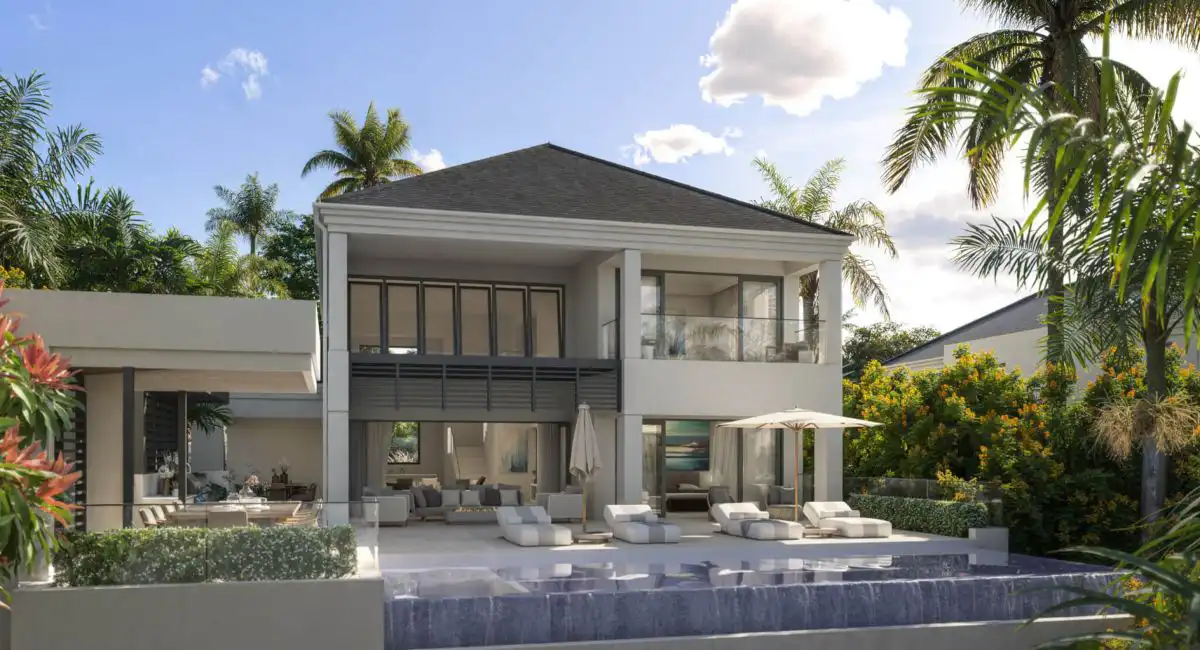
The standard route. Whole ownership gives full control of bookings, design, and resale timing. It also imposes the full cost base whether the property is occupied or empty. This route fits owners who use the property 6+ weeks per year personally, or who plan to let it through professional management to absorb the carrying cost.Inside Royal Westmoreland, Lancaster Mews is the product we most often point investor-buyers toward — the estate's newest residential offering, with prices starting from GBP £ 1,050,000 and a design tailored for the rental market as well as personal use.2. Fractional Ownership
For owners whose Barbados time is genuinely 2–6 weeks per year, fractional ownership is often the better economic decision. You own a defined share — typically 4 to 13 weeks per year — at a meaningfully lower entry point, with management costs proportionate. Our overview of understanding fractional ownership in Barbados walks through how the legal and tax structures actually work.The trade-off is flexibility: fractional weeks rotate, resale is thinner than whole ownership, and you do not control the booking calendar in the same way.3. Land + Build
A smaller subset of Royal Westmoreland buyers acquire land within the estate and design their own villa from the foundations up. This route gives full architectural control and can deliver better per-square-foot value, but adds 12–24 months of build timeline. It is the right fit only for buyers who are comfortable with an active project rather than a buy-and-use asset.The Legal and Currency Mechanics Foreign Buyers Should Know
Three pieces of administrative infrastructure are non-negotiable for any non-resident purchase:- Barbadian legal counsel. Foreign buyers cannot complete without local representation. Our overview of the legal process for buying property in Barbados is the right starting reference.
- Central Bank registration. Funds entering Barbados to purchase property must be registered with the Central Bank of Barbados at the time of purchase. This registration is what preserves your repatriation rights when you eventually sell — and the failure mode of skipping this step is severe enough that no reputable attorney will let you do it.
- Stamp duty and transfer tax. Stamp duty (1%) and property transfer tax (2.5% on consideration over BBD 50,000) are paid by the seller, not the buyer, in most Barbados transactions. Buyers typically budget 1.5–2% of price for legal fees and disbursements.