The legal process for buying property in Barbados is clearly structured and welcoming to international buyers. There are no restrictions on foreign ownership, no special licences required, and most transactions complete within 8-12 weeks. To keep your purchase on track, confirm your funding early, appoint an experienced Barbadian attorney, and ensure your purchase funds are registered with the Central Bank of Barbados to ensure repatriation rights. Get these foundations right, and buying property in Barbados becomes a clear, well-guided process rather than a complicated one.
What Does the Legal Process of Buying Property in Barbados Actually Involve?
In practical terms, property purchases in Barbados follow seven structured steps, guided by your attorney and paced by your level of organisation.
Barbadian property law is long-standing, the purchase framework is clearly defined, and overseas buyers are welcomed without restriction. The process moves logically from financial considerations and ownership structuring through to legal due diligence and formal title registration.
The purchase journey typically includes:
• Clarifying budget, funding source, timeline, and ownership structure
• Understanding residency considerations
• Engaging a Barbadian attorney
• Identifying and shortlisting suitable properties
• Submitting an offer and paying a deposit
• Completing legal due diligence
• Transferring funds and registering legal title
In Barbados, readiness shapes momentum. Buyers who arrive with clarity around purchase, structure, and legal representation tend to navigate the process more smoothly and gain better access to opportunities across the market.
For a broader view of the property buying journey in Barbados (including market context, financing options, and location guides), see our pillar guide to buying property in Barbados.
Why Does Structuring Your Purchase Early Matter?
In Barbados, early planning influences more than timelines — it shapes the opportunities available to you as a buyer.
The property market here is relationship-led and highly distributed. Listings are shared across multiple agencies, developer networks, and private channels, with no single portal capturing the full picture. Many desirable homes are second residences or established rental properties, and sellers are often under little pressure to transact quickly. As a result, vendors and their advisors naturally prioritise buyers who demonstrate clarity and readiness.
Three pre-search decisions carry the most weight, and it's worth thinking through each carefully before you begin:
- Ownership structure: Will you purchase in your personal name, jointly with family, through a company, or via an offshore structure? This isn’t just a tax consideration; it can also affect succession planning, privacy, and in some cases stamp duty treatment. Your Barbadian attorney should advise on this before contracts are on the table.
- Funding source: Most international property transactions in Barbados are completed in cash, and for good reason. Mortgage financing for non-resident buyers is available, but typically requires significant deposits, proof of local or regional income, and extended approval timelines. Knowing your funding position before you begin viewing makes you a credible buyer.
- Central Bank registration: This requirement is sometimes overlooked. Foreign buyers must register their incoming purchase funds with the Central Bank of Barbados to ensure repatriation rights, handled via their Barbadian attorney. The process is straightforward but legally important, as this registration is what protects your ability to transfer funds when you sell the property in the future. Skipping or delaying it can create real complications further down the line.
Decision checkpoint: Can you clearly confirm your budget, source of finances, intended ownership structure, and preferred timeline? If so, you are well-positioned to appoint legal representation and begin your property search with confidence.
Step 1: Clarify Your Budget, Funding, and Ownership Structure

This first stage sets the foundation for buying property in Barbados. The decisions made here influence your property options, negotiating position, and the efficiency of the transaction process that follows.
Before beginning your search, four elements should be clearly defined: your budget, funding source, intended purchase structure, and preferred timeline. In a market where sellers are rarely under pressure and pricing is typically firm, buyers who arrive with clarity and finances in order are viewed as credible and organised.
Key decisions at this stage
|
Decision |
Why it matters |
|
Purchase budget |
Sets the realistic scope of your property search. Expecting significant price reductions is uncommon in the Barbados market. |
|
Funding source |
Cash purchases generally complete faster. Financing can extend timelines and introduce additional approvals. |
|
Ownership structure |
Influences land tax, succession planning, privacy considerations, and stamp duty treatment. This should be agreed before contracts are signed. |
|
Timeline |
Shapes viewing logistics and transaction planning. Many properties operate as active rentals with limited access windows. |
Pause and ask: Do you have a defined budget? Is your funding source clear and accessible? Have you considered whether to purchase in your personal name, jointly, or through a formal structure?
Step 2: Understand Residency Considerations

One detail that often catches international buyers off guard: buying property in Barbados doesn’t automatically give you the right to live here.
The purchase itself is straightforward. Property ownership is unrestricted for overseas buyers, but if you’re planning to spend extended time on the island, or if this purchase is part of a longer-term move, residency needs to be arranged separately and alongside your property plans.
Barbados offers several established residency pathways, including the Special Entry and Reside Permit (SERP), the remote workers Welcome Stamp, and a range of long-stay and retirement options. Each route serves a different purpose depending on how you plan to live and work on the island. If you’re relocating from the UK, our guide to moving to Barbados explains these pathways in practical terms.
If residency is part of your picture, it’s wise to start that process sooner rather than later. Property and immigration timelines often run more smoothly when they’re planned together. At Residence Barbados, we work closely with experienced local immigration professionals and can make the right introductions when the time comes.
Decision checkpoint: Is this purchase a second home, an investment, or part of a relocation plan? If relocation is on the horizon, have you started exploring the residency pathway that best fits your plans?
Step 3: Engage a Barbadian Attorney
One of the most important early steps is engaging your attorney before you make an offer.
Your Barbadian attorney isn’t a final-stage formality, they’re your legal guide from the moment you become serious about a property. Engaging them early means you have experienced oversight in place as soon as negotiations begin.
A qualified Barbadian attorney manages the key legal elements of your purchase, including:
- Title search: Confirming the seller holds clear, unencumbered title to the property
- Contract review and drafting: Reviewing the Sale and Purchase Agreement before you sign, and negotiating terms on your behalf
- Legal Due diligence: Verifying planning permissions, checking for encumbrances (mortgages, easements, liens), and confirming the property is tax-compliant
- Regulatory registrations: Managing required filings, including Central Bank procedures
- Title registration: Formally registering the completed transfer of ownership with the Barbados Land Registry
Legal fees typically range from 1% to 2.5% of the purchase price and are paid by the buyer. Appointing your attorney early means they can flag structural issues or contractual concerns before they become expensive or time-sensitive. And it signals to the sellers and their advisors that you’re a well-prepared buyer.
At Residence Barbados, we work closely with our clients’ attorneys throughout the process to help transactions progress smoothly and avoid unnecessary delays. If you’re unsure what to look for when assembling your team, our guide to choosing an excellent buyer’s agent in Barbados is a helpful starting point.
Before you move forward: Have you selected and formally instructed a qualified Barbadian attorney? If not, this should be in place before arranging formal viewings or submitting an offer.
Step 4: Identify and Shortlist Properties
With your purchase structure confirmed, funding clarified, and legal representation in place, you’re ready to begin your property search with purpose.
One helpful thing to understand about the Barbados property market is that there’s no centralised MLS-style system. Listings are distributed across multiple agencies, developer networks, and private channels, and no single portal reflects everything currently available. Browsing independently across several sources can lead to repeated viewings, incomplete information, and unnecessary travel.
Working with a buyer’s advisor who has established relationships across the island can help you see the market more clearly and access opportunities that may not be widely advertised.
When refining your shortlist, four considerations will shape your search:
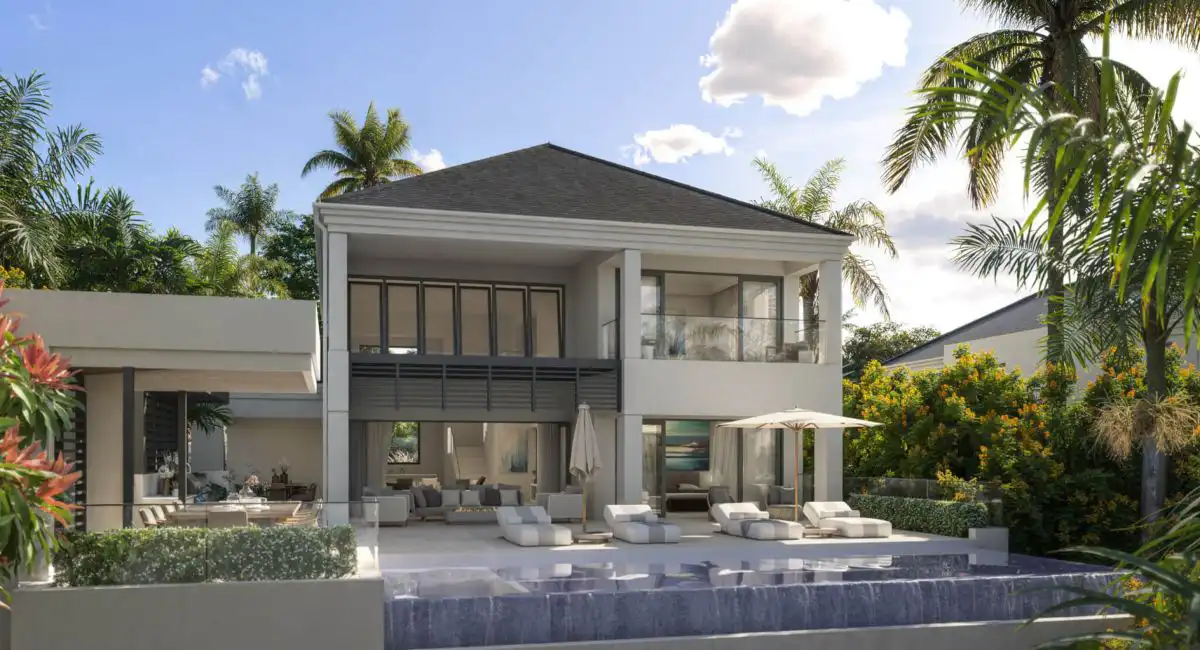
- Location / Property type: Beachfront villas, golf community homes, condominiums, inland residences, and fractional ownership all differ in maintenance needs, lifestyle fit, rental potential, and resale dynamics. The right choice depends on your goals.
- Rental viability: If generating income is part of your plan, confirm that both the property and its community regulations permit short-term or long-term letting before proceeding. Not all developments do.
- Maintenance profile: Many owners manage properties remotely. Consider homeowners’ association fees, pool and garden upkeep, and the availability of reliable local management when assessing total ownership costs.
- Viewing logistics: A large proportion of homes operate as active holiday rentals. Viewings often need to be scheduled around guest stays and changeover days, so flexibility helps.
Buyers who have clarified their funding and timeline in advance are typically able to arrange viewings more efficiently.
Readiness check: Have you defined your preferred property type, rental intentions, maintenance expectations, and viewing flexibility? Getting specific can make your search far more productive.
Step 5: Submit an Offer and Pay the Deposit
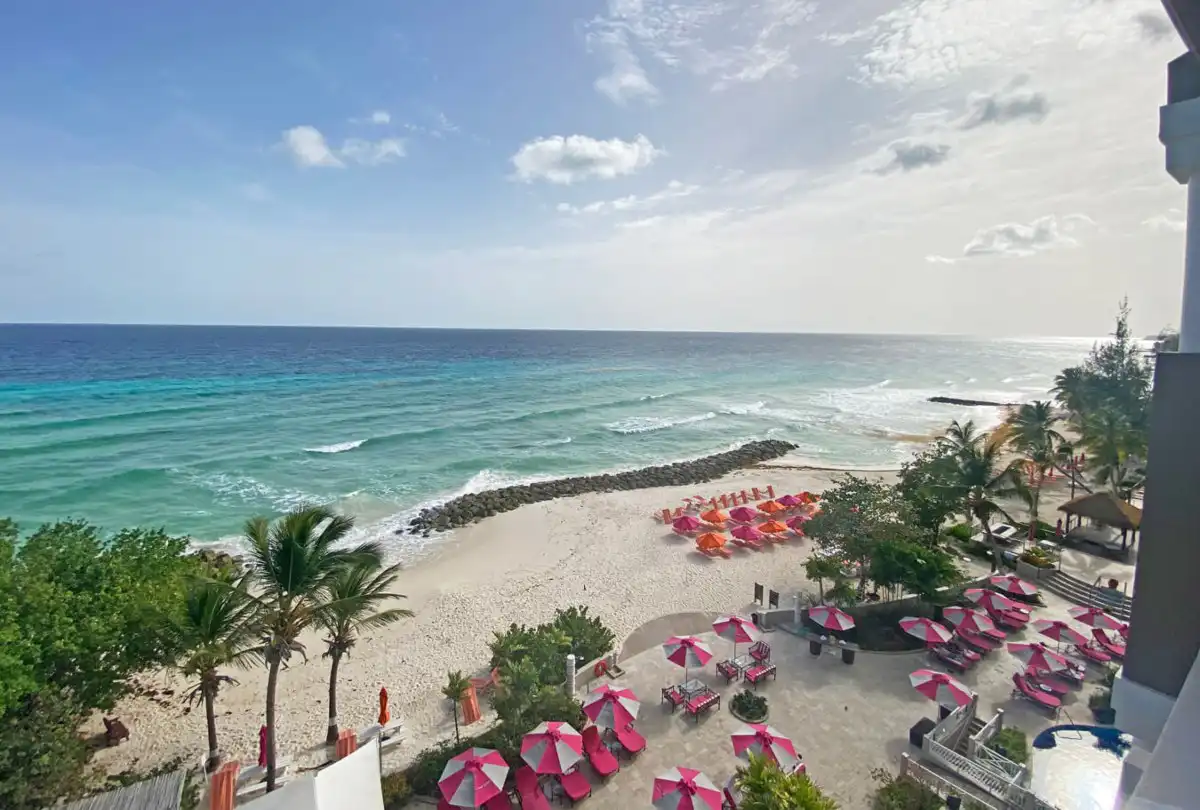
Once you’ve found the right property, the process moves into the formal offer stage — where earlier planning begins to pay off.
Your buyer’s advisor will submit the offer on your behalf, supported by your confirmed funding position and preferred timeline. It’s worth understanding how negotiations typically unfold in Barbados. This is not generally a market where significantly below-asking offers are effective. Well-positioned properties tend to sell close to their listed price, and sellers are often willing to wait for the right buyer. A thoughtful offer that reflects fair market value is usually the most constructive approach.
If your offer is accepted, both parties proceed to sign a Sale and Purchase Agreement. At this stage, a deposit (typically 10% of the agreed purchase price), is transferred into an escrow account held by the seller’s attorney.
Because the Sale Agreement governs the legal and financial terms of the transaction, it’s important that your attorney reviews the document in full before you sign. This includes the completion date, deposit conditions, fixtures and fittings, and how any existing rental bookings will be handled.
Commitment check: Has your attorney reviewed and approved the Sale Agreement? Are your deposit funds accessible and ready for transfer into escrow?
Step 6: Legal Due Diligence
This stage is where the foundations of your purchase are carefully reviewed and confirmed.
Once the Sale and Purchase Agreement is signed and your deposit is held in escrow, your attorney begins comprehensive legal due diligence on the property. Completion funds are not released until this review has been completed satisfactorily, ensuring that everything is in order before ownership transfers.
Legal due diligence typically focuses on four key areas:
- Title verification: Confirming the seller holds clear legal ownership and that no undisclosed claims or competing interests exist
- Planning permissions: Ensuring the property was built with appropriate approvals, and that any extensions or modifications are properly permitted
- Encumbrances: Identifying mortgages, charges, easements, or any other restrictions registered against the title
- Tax compliance: Confirming that all land tax obligations are up to date and that no outstanding liabilities would transfer to you on completion
The timeline for this phase depends on the complexity of the title, registry processing times, and whether any issues need to be resolved. Most straightforward residential purchases move through due diligence comfortably within the overall 8-12 week transaction timeframe.
Important to confirm: Has your attorney confirmed that due diligence is progressing as expected and advised you of any matters requiring resolution before completion?
Step 7: Completion (Transfer of Funds and Title Registration)

This is the moment everything comes together. When the transaction is finalised and ownership formally transfers.
Completion involves the coordinated transfer of remaining funds and the formal legal registration of title. On completion day:
- The remaining balance of the purchase price (typically 90%, following the 10% deposit already paid) is transferred to the seller’s attorney
- Your attorney registers the transfer documents with the Barbados Land Registry
- Legal ownership formally passes into your name or chosen holding structure
One point that's easy to overlook in the excitement of reaching completion: all incoming purchase funds must be registered with the Central Bank of Barbados before or at completion. Your attorney manages this as part of the closing process, but it’s an important safeguard. Proper registration protects your ability to repatriate funds if you eventually sell the property.
Typical transaction costs
|
Cost |
Who Pays |
Typical Amount |
|
Property Transfer Tax |
Vendor |
2.5% of sale price |
|
Stamp Duty |
Vendor |
1% of sale price |
|
Legal fees (buyer's attorney) |
Buyer |
1-2.5% of purchase price, plus 17.5% VAT |
|
Title registration |
Buyer |
Standard government fees apply. Can be confirmed via the Barbados Land Registry |
|
Annual land tax (ongoing) |
Buyer |
Tiered, based on site value. See Barbados Revenue Authority for more information |
|
HOA / community fees (if applicable) |
Buyer |
Varies by development |
Final check: Have all funds been confirmed and transferred? Has your attorney confirmed everything is in place to register the title on completion day?
Want the full roadmap in one place? Register now to receive your free copy of the Barbados Property Buyer’s Guide, covering the complete purchase process, legal framework, tax considerations, and island location strategy in one structured document.
Where Should You Buy Property in Barbados?
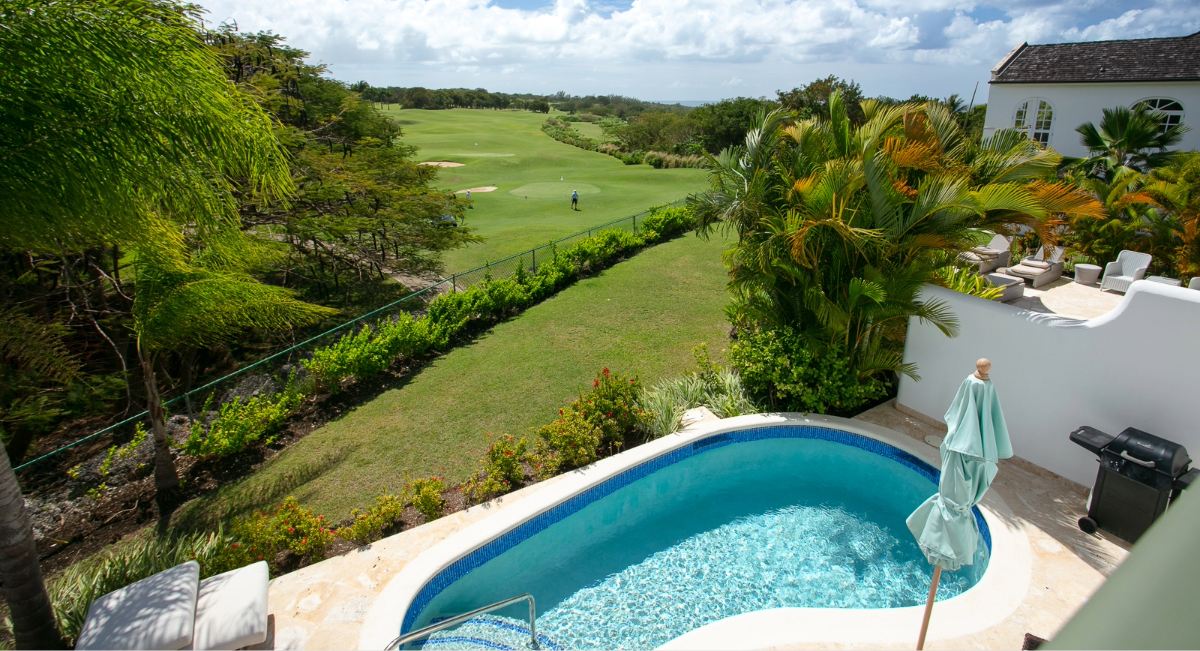
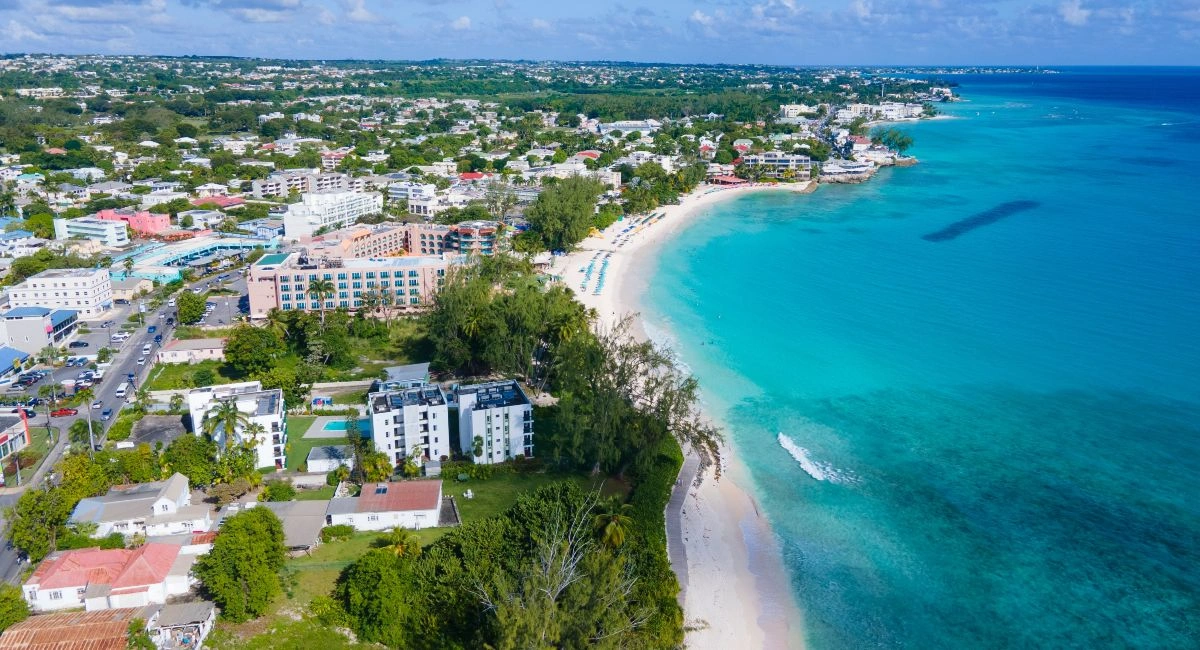
Location shapes not just your lifestyle on the island, but also your investment profile, rental potential, and long-term resale dynamics. Barbados may be compact, but each coast offers a distinct experience and attracts different types of buyers.
West Coast (St James & St Peter): Often called the Platinum Coast, this is the island’s most established luxury corridor, known for calm Caribbean waters, beachfront living, golf communities, and strong international demand. It’s a natural choice for buyers focused on prime location and liquidity. Our guide to life on the West Coast explores this area in more detail.
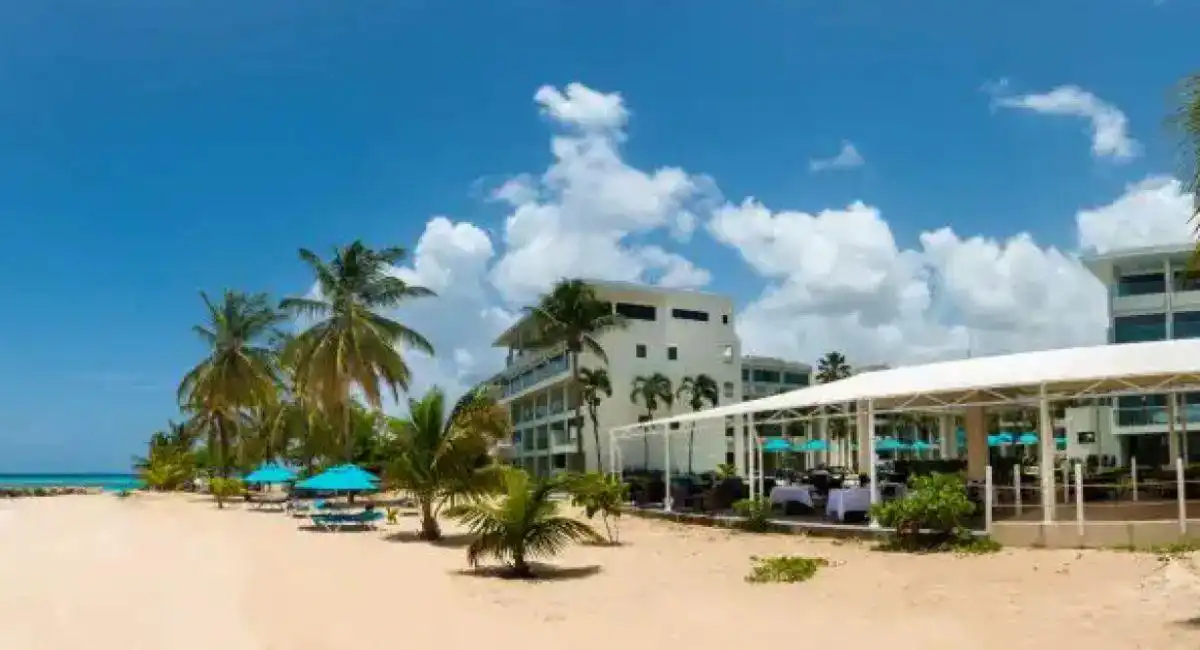
South Coast: Lively and accessible, the South Coast offers a wider range of price points and strong short-term rental demand. Beachfront apartments and resort-style developments make it popular with lifestyle buyers and investors alike.
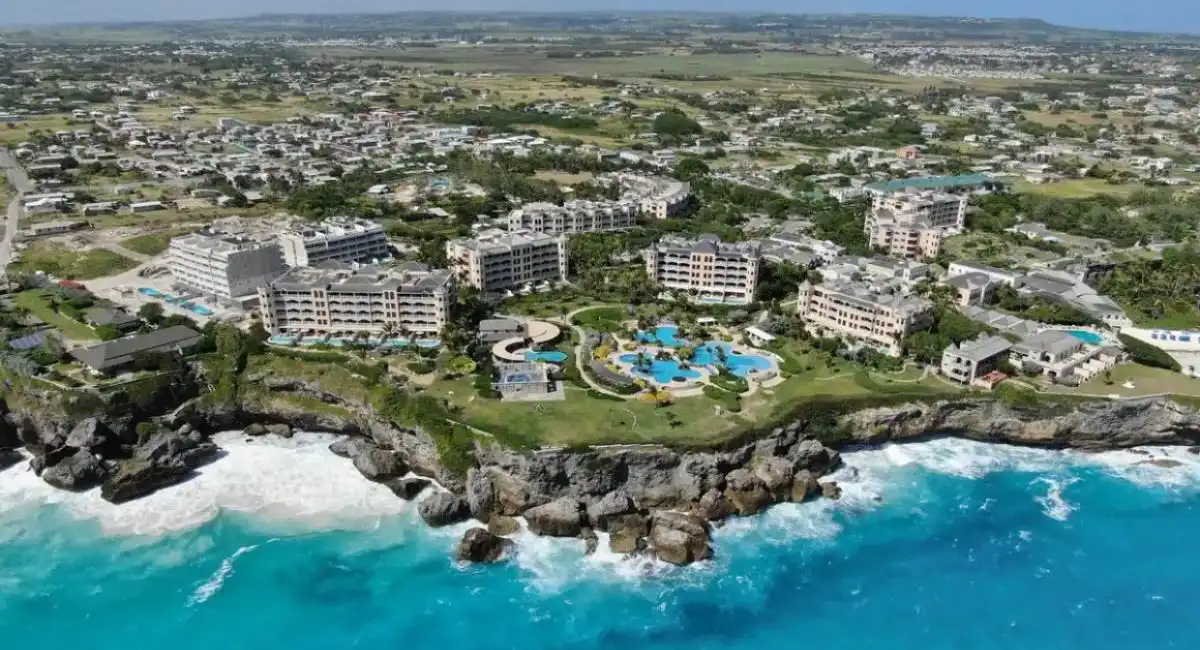
East Coast: Quieter and more dramatic, the Atlantic-facing East Coast appeals to buyers seeking privacy, natural surroundings, and a slower pace of life.
North (St Lucy & surrounding areas): Less developed and more residential, the North offers space, seclusion, and comparatively accessible pricing. It attracts buyers looking for tranquillity and long-term potential rather than resort-style amenities.
How Long Does It Take to Buy Property in Barbados?
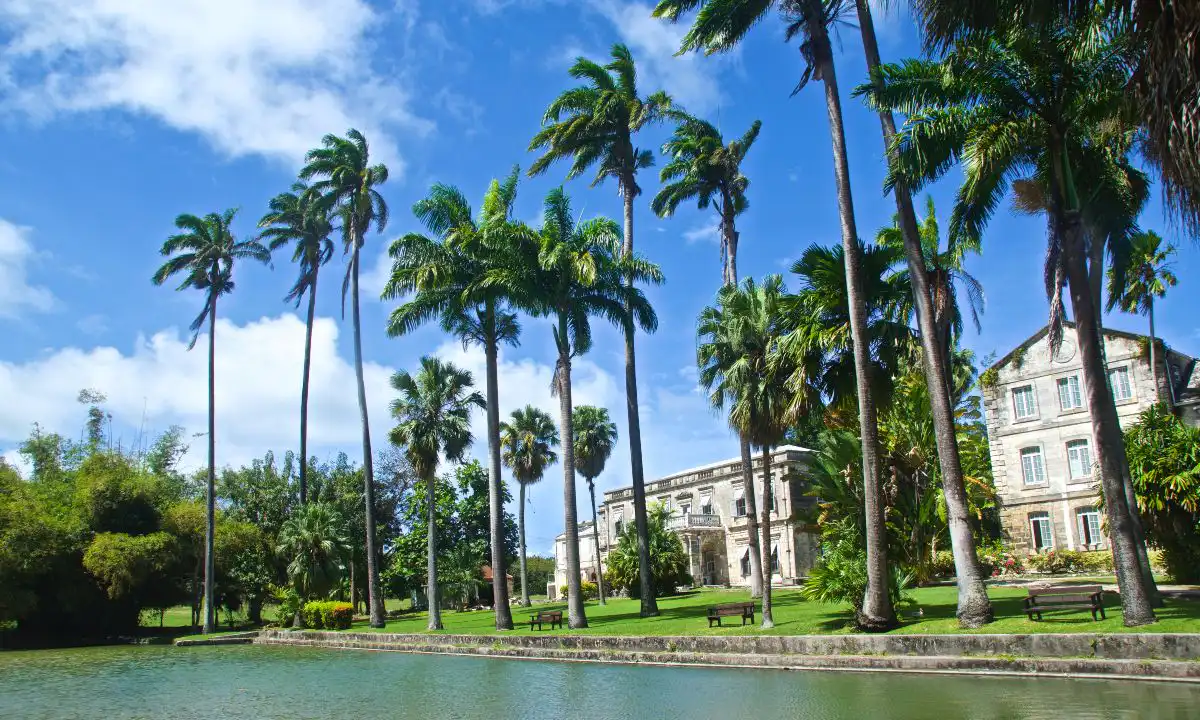
Most property purchases in Barbados complete within 8 to 12 weeks from the date the Sale and Purchase Agreement is signed through to legal completion.
Timelines are influenced by a few predictable factors. Contract negotiations can take longer than expected, title or planning matters may need to be resolved during due diligence, and delays can arise when funding arrangements, purchase structure, or legal representation haven’t been confirmed before an offer is made. Cash purchases, where preparation is already in place, typically progress more quickly than financed transactions.
At Residence Barbados, we work closely with our clients' legal teams throughout the process to keep things on track and address potential delays early.
Ready to Begin Your Barbados Property Journey?
If you’re exploring Barbados with a purchase in mind over the next 6 to 12 months, a focused conversation can often be more helpful than further browsing.
We provide dedicated buyer-side advisory at no cost to the purchaser. That includes helping you clarify ownership structure and purchase approach, accessing the full market beyond publicly listed properties, coordinating with your legal team, and supporting the process from first enquiry through to completion.
If you feel ready to take the next step, speak with the Residence Barbados team. We’ll guide you through the purchase process, ownership options, and the locations that best align with your plans.
Frequently Asked Questions About the Legal Process of Buying Property in Barbados
Can foreigners buy property in Barbados?
Yes. Barbados places no restrictions on foreign property buyers. International purchasers (including buyers from the US, UK, and Canada) can buy freehold or leasehold property in their personal name or through a company structure, with no special licence required. The only additional procedural step for foreign buyers is registering incoming purchase funds with the Central Bank of Barbados. Your attorney manages this on your behalf as part of the transaction process.
Do I need a Barbadian attorney to buy property in Barbados?
Yes, and it’s advisable to appoint one before making an offer. Your attorney oversees the legal side of the purchase, including title searches, reviewing and negotiating the Sale and Purchase Agreement, conducting due diligence, registering purchase funds with the Central Bank, and registering the completed title transfer with the Barbados Land Registry. Legal fees typically range from 1% to 2.5% of the purchase price and are paid by the buyer.
What is held in escrow when buying property in Barbados?
When your offer is accepted and the Sale and Purchase Agreement is signed, the buyer’s deposit (typically 10% of the agreed purchase price), is placed into an escrow account managed by the seller’s attorney. The funds are held securely until completion and released in accordance with the terms set out in the Sale Agreement. Escrow arrangements protect both buyer and seller by ensuring the deposit is only transferred once contractual conditions are met.
What taxes does a foreign buyer pay when purchasing property in Barbados?
In most transactions, Property Transfer Tax and Stamp Duty are paid by the seller rather than the buyer. Buyers are typically responsible for their own legal fees, title registration costs, and ongoing annual land tax. Barbados land tax is assessed on the site value only, and buildings and improvements are not taxed separately. Land tax is payable annually to the Barbados Revenue Authority.
Does buying property in Barbados give me the right to live there?
No. Property ownership does not automatically grant residency or the right to live in Barbados permanently. Residency is managed separately under immigration law through established pathways such as the Special Entry and Reside Permit (SERP), the Barbados Welcome Stamp for remote workers, and various long-stay and retirement programmes. If relocation is part of your plans, we can introduce you to experienced local immigration professionals.
© 2026 Residence Barbados. This content is provided for general informational purposes only and does not constitute legal, financial, or tax advice. Property laws, tax rates and exemptions in Barbados may change. Always consult a qualified Barbadian attorney and independent financial advisor before making any property purchase decision.